

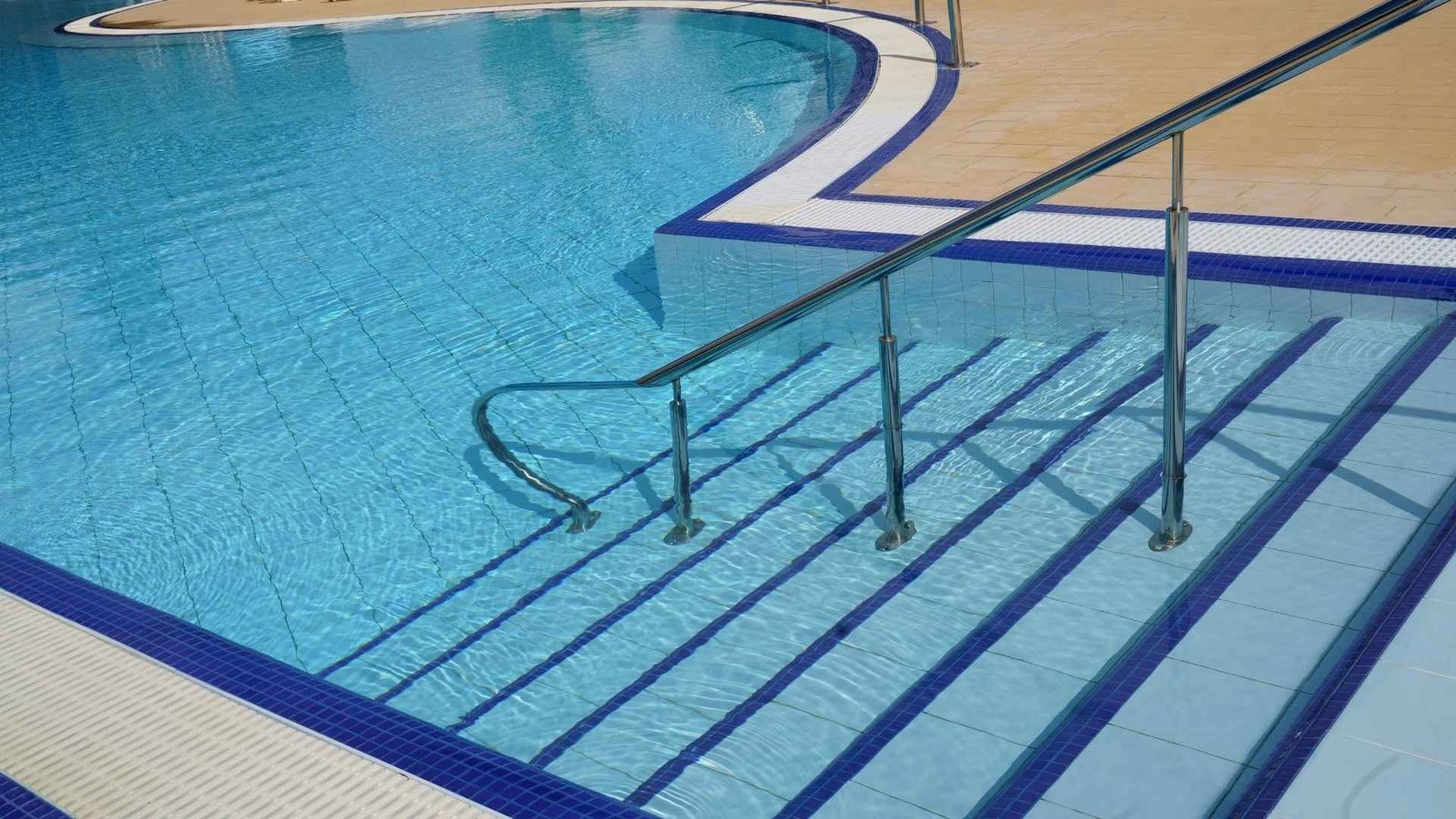

If you are planning a pool area in South Florida, safety is not optional. In Miami, pool railings and fences need to do more than look good. They need to help control access, protect children, fit the property’s design, and meet Florida safety requirements. That is why many homeowners, builders, and property managers search for pool railings Miami regulation cost before starting a project.
For residential pools in Florida, the legal baseline starts with Chapter 515 of the Florida Statutes, the Residential Swimming Pool Safety Act. Florida law says a residential pool barrier must be at least 4 feet high on the outside, must not have gaps or openings that allow a small child to pass through, and access gates must open outward away from the pool and be self-closing and self-latching. Miami-Dade also states that a barrier surrounding a residential pool is required and recognizes fences, walls, screened enclosures, and similar barriers as qualifying forms of protection.
At Welding Master Miami, we help homeowners, contractors, and developers across Miami and surrounding areas design and install metal pool barriers that are both practical and attractive. We have been serving South Florida since 2004, and we provide 24/7 mobile welding for repairs, reinforcement, and on-site metalwork when needed.
What Florida Law Requires for Residential Pool Barriers
For most residential pool projects, the most important starting point is Florida Statute 515.29. It sets baseline barrier requirements that apply to residential swimming pools. Among the main rules, the barrier must be at least 4 feet high, must be designed so that it cannot be readily climbed from the outside, and must not have openings that would let a young child pass through. Access gates must open outward, away from the pool, and must be equipped with a self-closing, self-latching device.
Miami-Dade’s pool barrier guidance points property owners to the same legal and code framework, explaining that a fence, wall, or similar enclosing element that obstructs access to the pool is required. The county also directs readers to both the Florida statutes and Florida Building Code resources for pool barriers.
In practical terms, that means a decorative metal pool fence cannot be designed only for style. It must also satisfy the barrier rules.
Required Heights, Gates, and Latch Details
For homeowners comparing styles, one of the most important details is that minimum code height is not optional. Florida law requires the barrier to be at least 4 feet high on the outside. Miami-area standard details for aluminum pool barriers also reinforce the need for self-closing and self-latching gates. A North Miami standard aluminum fence detail states that pool-barrier access gates must have a self-closing, self-latching locking device located no less than 54 inches from the bottom of the gate.
Those requirements matter because many decorative fence designs can fail compliance if they include:
- climbable horizontal members in the wrong configuration
- oversized openings
- improperly placed latches
- gates that swing the wrong direction
- gates without self-closing hardware
A welded metal fence can absolutely meet code, but only if it is designed with those details in mind from the start.
Can Welded Metal Pool Fences Meet Code?
Yes. Welded metal fences and railings can be fully code-compliant for pool barriers in Florida when the design follows the applicable barrier requirements. Miami-Dade’s pool-barrier guidance explicitly recognizes fences as valid forms of pool barriers, and local standard details for aluminum fences show how metal systems are commonly used in compliant installations.
That makes welded metal a strong option for pool areas because it can provide:
- good durability
- clean architectural lines
- custom sizing
- secure gate integration
- better long-term rigidity than some temporary systems
For many Miami homes, welded aluminum or coated steel barriers are attractive because they combine safety with a more permanent, upscale appearance.
Best Materials for Pool Railings and Fences in Miami
Material choice matters a lot in South Florida because humidity and salt air can shorten the life of the wrong system.
Aluminum
Aluminum is one of the most common choices for Miami pool fencing because it resists rust better than ordinary carbon steel and works well with powder-coated finishes. Local standard details in North Miami specifically reference aluminum fence systems for pool-barrier use.
Steel
Steel is strong and can support more customized or heavier designs, but it needs proper coating and maintenance in Florida weather. For pool areas, steel usually makes the most sense when the design requires extra rigidity or a more custom architectural look.
Stainless steel accents
For higher-end properties, stainless can be used in selected components, especially when a more premium modern aesthetic is desired. It still needs the right grade and detailing for coastal conditions.
For most residential pool projects, aluminum often wins on maintenance, while steel can win on design flexibility and heavier-duty fabrication.
Most Popular Pool Fence and Railing Styles in Miami
Pool barriers no longer have to look purely utilitarian. In Miami, many homeowners want safety and appearance at the same time.
Common styles include:
- minimalist black aluminum picket fences
- modern horizontal or vertical metal designs
- simple geometric welded panels
- metal-and-glass combinations for upscale homes
- custom gates matched to the pool fence line
The most successful designs usually keep the look clean and modern while preserving code-required gate and barrier functionality.
What Pool Fences and Railings Cost in Miami-Dade and Broward
Exact pricing depends on the size of the pool area, material, gate count, finish, and whether the installation is fully custom. Still, national 2025–2026 pricing guides offer useful benchmarks for planning.
Angi’s 2026 pool-fence cost guide says pool fence installation costs depend heavily on material and notes city examples in the approximate range of $14 to $50 per linear foot in many markets. Fixr reports an average installed cost of about $15 to $25 per linear foot, with a national project average around $6,500 for 100 linear feet of aluminum pool fence with a self-closing gate, while HomeAdvisor places many pool-fence installations in the broad range of $1,500 to $10,000.
For Miami-Dade and Broward, those national numbers usually translate into these practical planning ranges:
Basic code-compliant aluminum pool fence
Often around $15 to $30+ per linear foot
More decorative or heavier metal fence systems
Often around $25 to $50+ per linear foot
Premium custom metal or glass-accent systems
Often significantly higher, depending on design and hardware
The total rises with:
- custom fabrication
- multiple self-closing gates
- sloped or complex site layouts
- premium finishes
- thicker material
- permit and inspection coordination
Because Miami and Broward labor and permitting conditions can vary by municipality, the smartest move is to treat these as planning numbers and get a project-specific quote.
Permit Considerations in Miami-Dade
Miami-Dade provides dedicated resources for both swimming pool permits and fences and gates. The county’s pool-permit page lists required forms and standard details for pool-related projects, while its fences-and-gates page says permit applications should include the building permit application, pre-approved fence detail, a site plan, survey, and supporting documents.
That matters because a pool barrier project may involve both:
- pool-safety compliance
- fence or gate permitting details
In Broward, the exact process can vary by city, so permit and inspection requirements should be checked with the local municipality handling the property.
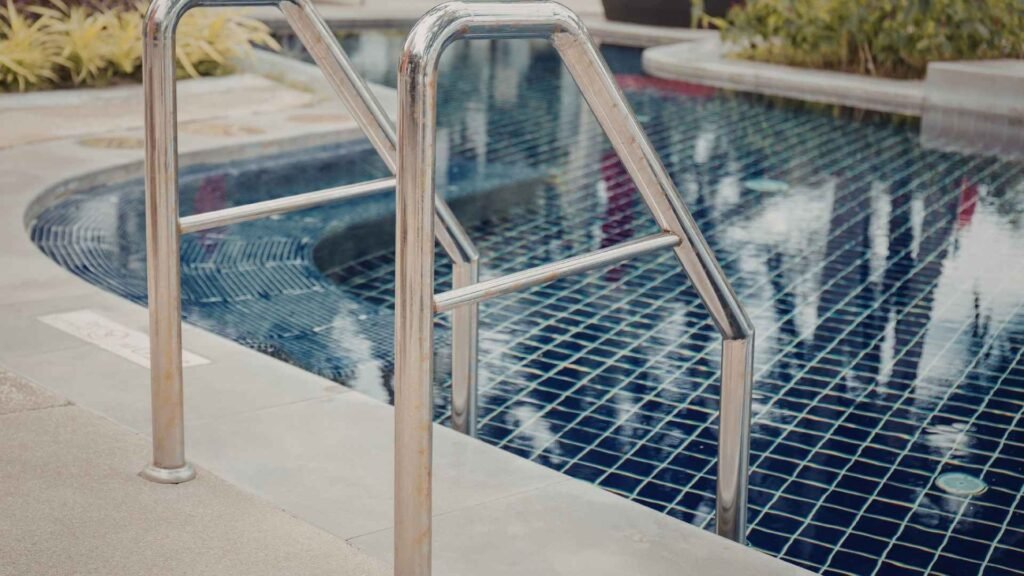
Benefits of a Code-Compliant Welded Pool Barrier
Choosing a properly designed metal pool fence or railing system offers more than just legal compliance.
Main benefits include:
- safer access control around the pool
- better long-term durability
- stronger gate performance
- cleaner modern appearance
- better fit for custom residential design
- more confidence during sale, remodeling, or inspection
For many Florida properties, a welded metal barrier is one of the best ways to combine safety, permanence, and curb appeal.
Why Choose Welding Master Miami
At Welding Master Miami, we understand that pool barriers in South Florida have to balance safety law, local permitting, design, and durability. We work with homeowners, builders, and property managers on welded metal fences, gates, railings, and custom barrier systems across Miami and surrounding areas.
Why customers choose us:
- Serving Miami since 2004
- 24/7 mobile welding available
- experience with residential and commercial welding
- custom work for fences, gates, railings, and metal structures
- practical knowledge of Florida pool-barrier requirements
- local understanding of coastal weather and coating performance
Whether you need a new pool fence, a code-conscious gate, or repairs to an existing metal barrier, the goal is the same: install something safe, durable, and built correctly.
FAQ
What is the minimum height for a pool fence in Florida?
Florida law requires a residential swimming pool barrier to be at least 4 feet high on the outside. That is the baseline standard under the Residential Swimming Pool Safety Act, though design details and local code application still matter too.
Do pool gates have to be self-closing in Miami?
Yes. Florida barrier rules require access gates to be self-closing and self-latching, and local Miami-area standard details for pool barriers reinforce that requirement for aluminum fence systems.
Can a welded metal fence be used as a pool barrier?
Yes. A welded metal fence can be used as a pool barrier if it meets the applicable Florida and local barrier requirements, including height, openings, climb resistance, and compliant gate hardware. Miami-Dade recognizes fences as valid forms of pool barriers.
How much does a pool fence cost in Miami?
Many pool-fence projects are commonly budgeted at roughly $15 to $30+ per linear foot for simpler aluminum systems, with decorative or premium custom metal systems costing more. National cost references show many full projects ranging from about $1,500 to $10,000+ depending on scope.
Is aluminum a good material for pool fences in Florida?
Yes. Aluminum is a popular option because it resists rust better than ordinary steel and works well for permanent pool-barrier systems in Florida’s humid climate. It is also commonly used in local standard pool-fence details.
Do I need a permit for a pool fence in Miami-Dade?
Often, yes. Miami-Dade has dedicated permit resources for both swimming pools and fences/gates, and its fence-and-gate guidance lists application documents such as the permit application, site plan, survey, and pre-approved fence detail.
Protect the Pool Area With a Safer, Better-Looking Barrier
If you are planning a pool fence or railing system in Miami, the best time to think about code, style, and durability is before fabrication starts. A properly designed welded metal barrier can improve safety, help avoid costly corrections, and give the pool area a cleaner, more permanent look.
Welding Master Miami helps homeowners, contractors, and property managers install pool barriers built for Florida conditions and real code requirements.
Install Code-Compliant Railings for Florida: https://weldingmastermiami.co/en/contact/