

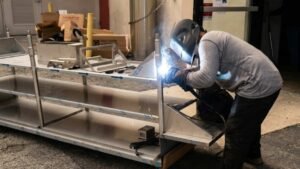
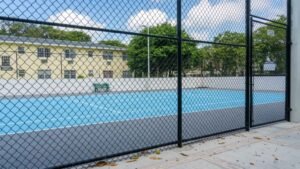

If you are planning a metal gate, fence, railing, stair, structural steel repair, or custom fabrication project, one of the first questions to answer is whether the job needs a permit. In Miami-Dade, the answer depends on the type of work, where it is located, and whether it affects building, zoning, structural, or safety requirements. Building permits in Miami-Dade are issued only to licensed contractors or qualified owner-builders, and the County directs applicants to submit permit applications and required documents through its portal.
For most customers, the practical rule is simple: if the metalwork is a new installation, structural alteration, gate, fence, stair, railing, or other permanent improvement, you should assume a permit review may be required until the County says otherwise. Miami-Dade also makes clear that permit exemptions are only exemptions from Florida Building Code permit requirements, and other County or State approvals may still apply.
At Welding Master Miami, we help homeowners, contractors, developers, and property managers across Miami and surrounding areas understand the permit path before fabrication starts. We have been serving South Florida since 2004, and with 24/7 mobile welding available, we also help when urgent repairs raise questions about what can be fixed immediately and what must go through formal permitting.
When a Welding or Metalwork Permit Is Usually Required in Miami-Dade
Miami-Dade does not have a single public page called “welding permit” for all metal jobs. Instead, permit requirements are tied to the type of construction activity involved. In practice, a permit is commonly needed when welding is part of installing or altering a permanent building element or site improvement.
Typical examples include:
- New metal fences and gates
- Pool barriers and access gates
- Metal stairs and stair railings
- Structural steel repairs or modifications
- Canopies, roof structures, and supports
- Exterior metal platforms or guard systems
- Other fabricated metal installations attached to the property
For example, Miami-Dade’s dedicated fence-and-gate page says fences require permits before installation and lists required application items such as the building permit application, pre-approved fence detail, site plan, survey, and supporting documents.
For structural steel and miscellaneous metals, Miami-Dade also publishes a checklist for fabricated structural steel and miscellaneous metals products and assemblies, which highlights County expectations around competency, welding qualifications, and supporting documentation.
When a Permit May Not Be Required
Some minor work may fall under permit exemptions, but this is where many owners make mistakes. Miami-Dade’s permit exemption guidance says the listed exemptions are from Florida Building Code permit requirements only and warns that other State and County departments may still require approvals or permits.
That means you should not assume a job is exempt just because it feels “small.” In Miami-Dade, exterior metalwork can still trigger:
- zoning review
- right-of-way issues
- pool-barrier compliance
- structural review
- association approval
- municipal overlays in incorporated areas
A safe rule is this: if the welding is part of a permanent property improvement, verify first.
Step 1: Identify the Type of Metalwork Project
Before opening the portal, define the project correctly. Miami-Dade routes permit review based on the kind of work being proposed, so it helps to know whether your project is primarily:
- fence and gate work
- structural steel or miscellaneous metal fabrication
- stairs or railings
- pool barrier work
- a repair tied to an existing permit
- a larger building alteration with metalwork included
This step matters because the required documents change depending on the scope. A simple fence replacement will not be packaged the same way as structural steel tied to engineered drawings.
Step 2: Confirm Who Can Pull the Permit
Miami-Dade states that building permits are issued in the name of the person performing the work, and that only licensed contractors or owner-builders may obtain a permit. The County’s permit guidance specifically says to submit the application and required documents through the portal.
For many welding and metalwork jobs, especially commercial or structural work, that usually means:
- a licensed contractor is the permit holder, or
- the owner is acting under the owner-builder rules where allowed
If the job is part of a contractor-led project, the permit should usually be coordinated through the licensed contractor responsible for the work.
Step 3: Gather the Required Documents
The exact package depends on the scope, but Miami-Dade’s permit pages and checklists show a common pattern: the County expects the permit application plus project-specific supporting documents.
For fence-and-gate projects, Miami-Dade specifically requires:
- the building permit application
- the pre-approved Miami-Dade County fence detail
- a site plan
- a survey
- other supporting documents as applicable
For broader building and structural review, you may also need:
- signed and sealed plans when engineering is required
- structural details
- product approvals where applicable
- revision sheets or corrections if requested
- special-inspector documents on qualifying projects
Miami-Dade’s structural plan-review checklist states that threshold special inspectors are responsible for inspections in accordance with the approved structural inspection plan and permitted documents. The County also provides a Special Inspector Employment Notice form for projects where that process applies.
For structural steel and miscellaneous metals, the County’s checklist also points to AWS welder qualification records and qualified welding procedures.
Step 4: Use the Miami-Dade Portal
Miami-Dade directs applicants to use its online portal for building-permit-related applications and plan submissions. The EPS portal page says it handles new building-related permit applications, plans, corrections, revisions, extensions, re-issuances, subsidiary permits, and change of contractor requests.
The County’s “How to Apply for Permits” page also says to submit your application and required documents through the portal.
In practical terms, the online flow is:
- Determine the permit type
- Prepare the application and supporting documents
- Submit through the portal
- Upload plans and attachments
- Respond to corrections if reviewers request changes
- Pay applicable fees
- Receive the permit and proceed to inspections
Miami-Dade’s online services page also points users to the building-permit application tools, plans tracking, and new application or rework submission functions.
Step 5: Be Ready for Plan Review Corrections
Many metalwork permits are not approved on the first upload. That is normal. If the County needs more information, the applicant may need to submit corrections, revised drawings, or added details.
This is especially common when the project involves:
- unclear site location
- missing survey information
- structural details not shown
- missing engineer seals
- gate or fence details that do not match County standards
- incomplete product information
- pool-barrier compliance questions
Because the EPS portal specifically supports corrections and revisions, applicants should expect this as part of the normal process rather than as a sign the project has failed.
Step 6: Handle Engineer-Signed Plans When the Job Requires Them
For many non-structural residential fence jobs, pre-approved standard details may be enough. But once the project becomes structural, site-specific, engineered, commercial, or outside standard detail conditions, signed and sealed plans may be required.
This is especially likely for:
- structural steel
- custom stairs
- load-bearing metal assemblies
- canopies and roof supports
- unusual gate systems
- projects on commercial buildings
- repairs affecting structural integrity
Miami-Dade’s structural review materials and special-inspector forms show that the County expects formal engineering involvement on projects that cross into structural scope.
That is why “engineer-signed plans” are often the dividing line between a basic permit package and a more technical one.
Step 7: Pay Fees and Track the Review
After submission, Miami-Dade provides online tools for tracking permit and plan activity. Its online services pages include plan tracking, permit application services, and building-permit records.
This is useful because many projects go through multiple stages:
- intake
- discipline review
- corrections
- fee payment
- issuance
- inspections
Tracking early helps avoid delays, especially if the County requests corrections or additional forms.
Step 8: Schedule Inspections
Once the permit is issued and the work is ready for review, inspections are part of the process. Miami-Dade’s inspection guidance says the permit holder is responsible for the job and should verify the work meets code requirements before calling for inspection. The County also provides online inspection request and tracking tools.
For more complex structural work, County materials make clear that any special-inspector work is in addition to mandatory County inspections, not a replacement for them.
Common Mistakes That Delay Welding and Metalwork Permits
The most common delays usually come from process mistakes, not from the welding itself.
Typical problems include:
- submitting the wrong permit type
- missing surveys or site plans
- uploading incomplete fence or gate details
- assuming a permit is exempt without verification
- failing to include engineer-signed plans when needed
- not coordinating special inspection on structural work
- starting work before the permit is issued
In Miami-Dade, these mistakes can lead to correction cycles, stop-work problems, or code issues later.
Benefits of Getting the Permit Process Right Early
Handling permitting correctly from the beginning helps you:
- avoid fabrication delays
- reduce rework
- avoid code-enforcement problems
- coordinate inspections more smoothly
- keep structural or fence work aligned with County standards
- move the project forward with fewer surprises
For contractors and owners, this often saves more time than trying to rush a job without the right paperwork.
Why Choose Welding Master Miami
At Welding Master Miami, we understand that metalwork projects in Miami-Dade are not just fabrication jobs. They often involve plan review, permit routing, structural questions, and inspection coordination.
Why clients work with us:
- Serving Miami since 2004
- 24/7 mobile welding available
- experience with residential and commercial welding
- work on fences, gates, railings, stairs, and metal structures
- practical understanding of Miami-Dade permitting conditions
- support for projects that need the right documentation from the start
Whether the job is a code-compliant fence, a custom stair, a gate installation, or structural metalwork tied to engineered plans, the goal is to get the work approved and built correctly.
FAQ
Do I need a permit for metalwork in Miami-Dade?
Often, yes, if the work involves a permanent improvement such as a fence, gate, stair, railing, or structural metal installation. Miami-Dade specifically says fences require permits before installation, and many other metalwork projects follow building-permit review depending on scope.
Can I apply for a welding permit online in Miami-Dade?
Yes. Miami-Dade directs applicants to submit building-permit applications and required documents through its portal, and the EPS system handles new applications, plans, corrections, revisions, and related submissions.
Who can pull a metalwork permit in Miami-Dade?
Miami-Dade says building permits are issued to the person performing the work, and only licensed contractors or owner-builders may obtain a permit.
What documents are usually required?
That depends on the project, but common items include the permit application, survey, site plan, standard details, and supporting documents. For fence-and-gate work, Miami-Dade expressly lists those items. Structural jobs may also require signed and sealed plans and other engineering documentation.
Do I need engineer-signed plans for welded metalwork?
Sometimes. Basic standard-detail projects may not need custom engineering, but structural steel, custom stairs, load-bearing assemblies, and other engineered metalwork often do. Miami-Dade’s structural review materials and special-inspector forms reflect that higher level of review for structural jobs.
Are inspections required after the permit is issued?
Yes, in most permitted projects. Miami-Dade provides online inspection request tools and says the permit holder is responsible for ensuring the work meets code before requesting inspection.
Start the Project With the Permit Process Handled Correctly
If you are planning a welding or metalwork project in Miami-Dade, the smartest move is to clarify the permit path before fabrication starts. That helps you avoid delays, protect the budget, and keep the project aligned with County review requirements from day one.
Welding Master Miami helps property owners, contractors, and managers move metalwork projects forward with practical guidance and code-conscious execution.
We Handle the Permits — No Hassle: https://weldingmastermiami.co/en/contact/