

If you own a property in South Florida, hurricane preparation should include more than shutters and sandbags. Metal gates, railings, fences, stairs, and structural supports also need attention before storm season arrives. In Miami, high winds, wind-borne debris, heavy rain, and salt exposure can turn a small weakness in metalwork into a major failure. That is why many property owners search for secure metal structures hurricanes Miami before the season starts.
NOAA says the Atlantic hurricane season runs from June 1 through November 30, and stresses that the best time to prepare is well before the official start of the season. Miami-Dade’s emergency readiness guidance likewise urges residents to prepare property and belongings before a storm, while the National Hurricane Center highlights high winds and storm surge among the major hurricane hazards.
At Welding Master Miami, we’ve been serving Miami and surrounding areas since 2004, with 24/7 mobile welding available for urgent repairs and on-site reinforcement. For metal structures, pre-storm preparation is often the difference between a manageable repair and a full replacement after landfall.
Why Metal Structures Need Pre-Storm Attention in Miami
Metalwork often looks strong until a storm tests it. A gate with a cracked hinge weld, a railing with corrosion at the base, or a steel support with loose anchorage may perform normally in calm weather but fail under hurricane pressure.
In Miami, the risk is higher because you are dealing with:
- high winds
- wind-driven rain
- salt-related corrosion
- loose outdoor objects becoming impact hazards
- long exposure cycles that weaken coatings and connections
NOAA advises homeowners to make sure the home is in good repair and up to local hurricane code specifications where applicable, and FEMA warns that hurricane-force winds can turn outdoor materials into dangerous missiles.
What Metal Structures Should Be Inspected Before Hurricane Season
Not every property has the same risk profile, but the most common metal elements that should be checked include:
- driveway and pedestrian gates
- fence sections and gate posts
- stair railings and balcony guards
- metal stairs and landings
- canopy and roof support steel
- decorative metal screens
- structural brackets and exposed steel supports
Miami-Dade also publishes storm-prep instructions for construction sites requiring loose or unsecured materials and equipment to be removed or fastened down when a tropical storm or hurricane warning is issued. That same logic applies to residential and commercial metal elements: anything loose, deteriorated, or poorly anchored deserves attention before the storm arrives.
Step 1: Inspect Gates for Movement, Alignment, and Weak Welds
Gates are one of the most vulnerable metal features during storms because they combine weight, motion, and exposed hardware.
Before hurricane season, inspect for:
- sagging frames
- cracked hinge welds
- loose latches
- rollers not tracking properly
- posts shifting in the ground
- rust near hinges, corners, and bottom rails
A gate that does not close securely or has visible structural weakness can become a wind-catch point during a storm. FEMA’s hurricane prep guidance emphasizes securing doors and openings because once the exterior shell is compromised, wind and rain intrusion can worsen overall damage.
Step 2: Check Railings and Stairs for Safety-Critical Weaknesses
Railings and stairs should never be treated as cosmetic items before storm season. If they are already loose or corroded, heavy rain, vibration, and storm-force winds can make them unsafe fast.
Pay close attention to:
- loose posts
- cracked welds at base plates
- rust bleeding from joints
- movement when pressure is applied
- anchor bolts with corrosion
- stair treads or landings with metal fatigue
This matters even outside the storm itself. After a hurricane, railings and stairs are often used under emergency conditions, low visibility, and wet surfaces. A weak assembly becomes a safety hazard exactly when the property needs reliable access the most.
Step 3: Inspect Structural Supports and Exposed Steel
If your property has exposed steel supports, canopy framing, roof structure components, or welded brackets, storm prep should include a visual structural check.
Look for:
- rust at welded joints
- flaking coating
- visible deformation
- separation at connections
- water-trap corrosion points
- loose fasteners or anchors
Florida’s building code framework for the High-Velocity Hurricane Zone requires buildings and structures to be designed to meet wind-load requirements, which is why structural integrity and connection performance matter so much in Miami-Dade.
Step 4: Repair Corrosion Before It Becomes Storm Damage
In Miami, corrosion is not just a maintenance issue. It is a storm-readiness issue. Salt air and humidity weaken metal over time, especially where coatings have failed.
Before hurricane season:
- remove active rust where possible
- repair failing weld areas
- touch up damaged coating
- reinforce weakened metal sections
- replace severely corroded hardware
A structure does not need to be fully rusted through to fail. Even localized corrosion at hinges, anchor points, base plates, or welded corners can reduce performance when wind loads rise.
Step 5: Secure or Remove Loose Metal Components
Some of the biggest storm problems come from smaller loose items, not just large structures.
Secure or remove:
- decorative metal panels not firmly anchored
- loose gates or detached fence sections
- portable metal barriers
- freestanding metal furniture or screens near structural elements
- loose hardware and accessories around gate systems
Miami-Dade specifically says that under tropical storm or hurricane warning conditions, job sites must remove or fasten down stored materials, equipment, and unsecured items. FEMA similarly warns that outdoor materials can become wind-borne hazards.
Step 6: Confirm Drainage and Water Shedding Around Metal Bases
Hurricane preparation is not only about wind. Heavy rain matters too.
Check for:
- standing water around fence and gate posts
- poor drainage near stair supports
- clogged scuppers or roof drainage affecting metal framing
- low areas where water stays against base plates or welded joints
Florida’s HVHZ code sections address roof drainage and overflow because water accumulation can become a structural problem. On smaller property metalwork, poor drainage accelerates corrosion and weakens anchor points over time.
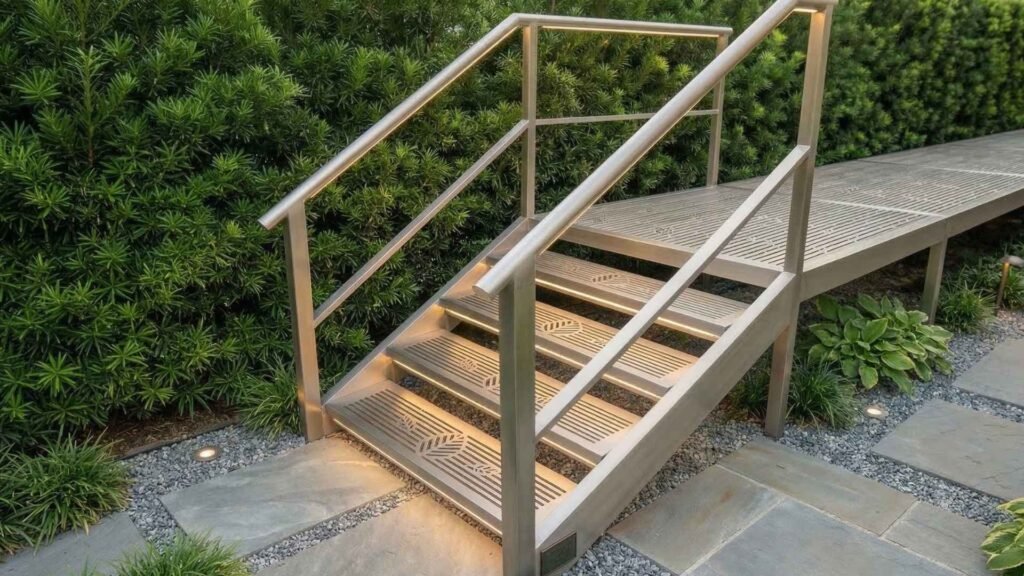
Step 7: Know When a Professional Structural Inspection Is the Smarter Move
Some storm prep can be done visually by the owner or manager. Some cannot.
You should schedule a professional inspection when you see:
- major rust at structural connections
- movement in railings or supports
- repeated gate misalignment
- cracked welds
- bent steel members
- storm damage from a previous season that was only patched
- older metalwork with unknown condition
NOAA advises strengthening the home before hurricane season and making sure it is in good repair and aligned with local code expectations where applicable. In Miami, that often means getting a qualified metalwork or structural review before the weather turns.
Pre-Storm Checklist for Metal Structures in Miami
Use this checklist before the season starts and again when a storm is approaching:
- Inspect all gates for sagging, loose latches, and cracked welds
- Test that gates close and secure properly
- Check railing posts, welds, and anchors for movement
- Inspect exposed steel and supports for corrosion or deformation
- Repair or reinforce damaged welds and weak joints
- Touch up failed coatings and rust-prone areas
- Remove or secure loose metal panels, barriers, or accessories
- Clear drainage areas around posts, stairs, and supports
- Verify sliding or swing gate hardware is functioning correctly
- Schedule a structural inspection if any load-bearing metal shows damage
Miami-Dade’s hurricane readiness materials encourage residents to use county preparedness resources and stay updated through official channels, while NOAA stresses preseason preparation rather than last-minute action.
Benefits of Preparing Metal Structures Before Hurricane Season
Pre-storm inspection and reinforcement can help you:
- reduce storm damage
- avoid emergency failures
- protect property access points
- improve safety after the storm
- reduce repair costs
- catch structural issues before they worsen
For many homes and businesses, the biggest value is not just preventing catastrophic loss. It is preventing the smaller failures that create expensive downtime and unsafe conditions right after the storm passes.
Why Choose Welding Master Miami
At Welding Master Miami, we understand that hurricane prep in South Florida is about more than checking boxes. It is about identifying weak points before wind and rain find them first.
Why customers call us:
- Serving Miami since 2004
- 24/7 mobile welding available
- Residential and commercial welding experience
- Repairs for gates, fences, railings, stairs, and structural metal
- Practical knowledge of corrosion and storm-exposed metalwork
- Fast local support across Miami and surrounding areas
Whether you need a gate reinforced, a railing repaired, or a structural metal inspection before the season starts, the goal is simple: make sure the metalwork is ready before the weather is not.
FAQ
When should I inspect metal structures before hurricane season?
The best time is before the Atlantic hurricane season begins on June 1, not when a storm is already approaching. NOAA specifically recommends preparing well before the season starts.
What metal structures are most vulnerable during a hurricane?
Gates, railings, fence sections, metal stairs, decorative screens, and exposed steel supports are common problem areas because they can have moving parts, corrosion, or anchorage issues that fail under wind and rain stress.
Can rust make a gate or railing more likely to fail in a storm?
Yes. Corrosion weakens metal, coatings, and connection points. A gate or railing may seem usable in normal weather but still fail under hurricane loads if rust has reduced its strength or loosened key joints.
Should loose outdoor metal items be removed before a storm?
Yes. Miami-Dade requires construction sites to remove or fasten down loose materials and equipment during tropical storm or hurricane warnings, and FEMA warns that wind can turn outdoor objects into dangerous missiles.
Do I need a professional inspection for metal structures?
If you see cracked welds, major rust, movement, bent supports, or repeated gate alignment problems, a professional inspection is the safer choice. This is especially important for load-bearing or safety-critical metalwork.
What is the biggest mistake property owners make before hurricane season?
Waiting too long. NOAA and Miami-Dade both emphasize preseason preparation. Once a storm is close, repairs, inspections, and reinforcement become harder to schedule and more expensive to manage.
Don’t Wait for the First Storm Alert
If your gate is sagging, your railings are loose, or your metal supports show rust or movement, hurricane season is the wrong time to discover it. A pre-storm inspection can help you fix weak points early, protect the property, and reduce emergency repair risk when weather conditions get worse.
Welding Master Miami helps homeowners, businesses, contractors, and property managers prepare metal structures for South Florida storm conditions.
Schedule a Structural Inspection Before the Hurricane: https://weldingmastermiami.co/en/contact/