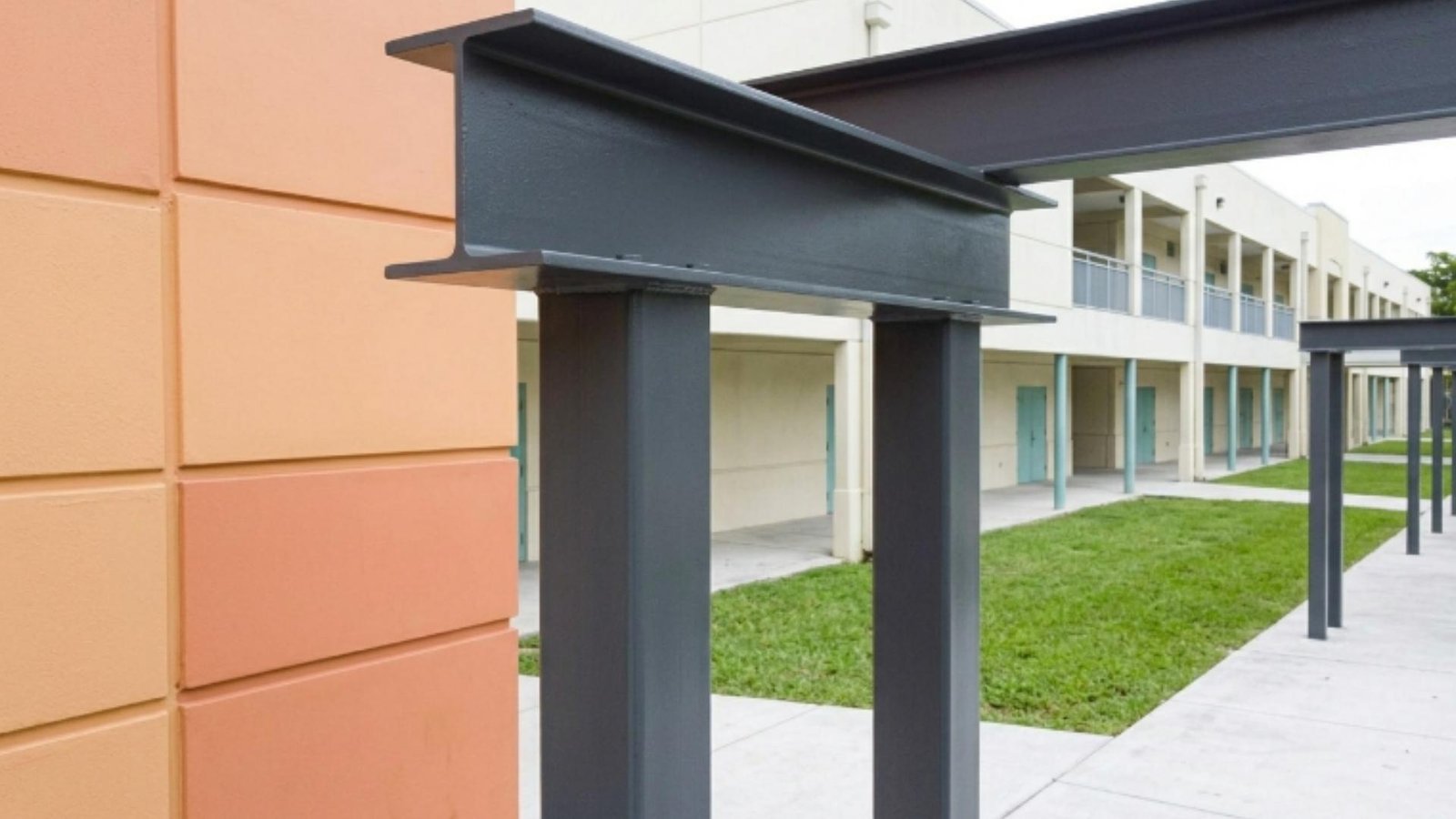

If your project involves steel beams, columns, stairs, platforms, structural frames, or load-bearing connections, you may need more than standard welding. You may need structural welding. For contractors, developers, and property owners in South Florida, that matters because structural welds are part of the building’s strength and safety system. In Miami, structural welding usually falls under building-code review, approved plans, and inspection requirements rather than simple repair work. Florida’s current statewide code is the 8th Edition (2023) Florida Building Code, effective December 31, 2023, and Miami-Dade overlays that with local review and inspection procedures.
At Welding Master Miami, we help contractors, businesses, and property owners across Miami and surrounding areas understand when a job is cosmetic, when it is fabrication, and when it crosses into true structural work. We have served South Florida since 2004, and we offer 24/7 mobile welding for urgent field conditions, repairs, and job-site support.
What Structural Welding Actually Means
Structural welding is welding performed on components that carry load or affect the structural integrity of a building, platform, stair system, frame, support, or steel assembly. In plain terms, it is welding that helps hold up, stabilize, or transfer forces through a structure.
That can include work on:
- Structural steel framing
- Columns and beams
- Load-bearing stairs and landings
- Steel supports and brackets
- Roof structures
- Platforms and catwalks
- Embedded or connection steel
- Welded assemblies shown on structural drawings
The industry standard most commonly associated with structural steel welding is AWS D1.1, which AWS describes as covering welding requirements for welded structures made from commonly used carbon and low-alloy constructional steels. AWS also notes that the code governs design, fabrication, qualification, and inspection for structural steel work.
When a Miami Project Usually Needs Structural Welding
You generally need structural welding when the welded part is not just decorative or functional, but part of the engineered load path of the project.
Common Miami examples include:
- New steel-framed additions
- Steel stairs attached to a building structure
- Mezzanines and elevated platforms
- Structural support frames for canopies or roof assemblies
- Reinforcement of damaged steel members
- Commercial steel connections on permitted jobs
- Developer and contractor projects with structural drawings
In these situations, the weld is not just “holding two pieces together.” It is part of the structural system reviewed under the permit documents and code. The Florida Building Code applies broadly to the construction, erection, alteration, modification, repair, maintenance, and demolition of buildings and structures.
When You Probably Do Not Need Structural Welding
Not every metal job is structural. Many common welding jobs in Miami are important, but not structural in the code sense.
Examples often include:
- Simple gate repairs
- Fence welding
- Decorative railings that are not part of a structural frame
- Non-load-bearing metal screens
- Cosmetic ornamental metalwork
- Minor brackets or hardware repairs
That said, some items can move from non-structural to structural depending on how they are used. A railing may be decorative on one job and code-critical on another. A stair repair may look simple but still involve structural attachment points. That is why contractors should not assume based on appearance alone.
What Certifications Matter for Structural Welding
For structural welding, the big issue is not just whether someone “knows how to weld.” It is whether the welder, procedure, and inspection setup match the required standard.
Key credentials and requirements often include:
Welder qualification
Miami-Dade’s miscellaneous and structural steel checklist requires certification that welders have passed AWS qualification tests, and says copies of certificates or Welder Qualification Test Records must be submitted. The same checklist also states that welding procedures must be qualified in accordance with AWS requirements.
AWS separately states that its Certified Welder program allows testing to procedures used in structural steel and other industries.
Welding inspector credentials
For inspection roles, AWS states that the Certified Welding Inspector (CWI) credential demonstrates broad knowledge of welding processes and standards, and AWS also offers a D1.1 endorsement for CWIs and SCWIs focused on structural steel welding.
Procedures and code compliance
For true structural steel work, the job may require qualified welding procedures, qualified welders, shop quality control documentation, and inspection tied to the permit set and governing code.
When Structural Welding Becomes Mandatory on Miami-Dade Projects
Structural welding becomes effectively mandatory when the permitted design calls for welded structural elements or when code requires those structural connections to be performed and inspected under the approved standard.
In Miami-Dade and the Florida High-Velocity Hurricane Zone context, one especially important rule is that a Florida-registered architect or professional engineer must inspect the welding and high-strength bolting of structural steel framing, and also certain welding, bolting, and fastening of lightweight material systems and metal sidings for buildings exceeding 1,000 square feet.
That means many larger or more regulated Miami projects are not just asking for a welder. They are asking for:
- Code-compliant structural welding
- Properly qualified welders and procedures
- Professional inspection
- Documentation aligned with the permit set
Threshold Buildings and Special Inspection
For larger projects, inspection requirements go even further.
Miami-Dade’s threshold-building materials state that a Threshold (Special) Inspector is responsible to the Building Official and performs inspections in accordance with the approved structural inspection plan and permitted documents. Miami-Dade also cites the Florida Statute definition of a threshold building as a building greater than 3 stories or 50 feet in height, or with an assembly occupancy over 5,000 square feet and more than 500 occupants.
For contractors and developers, that matters because once a project falls into this category, structural welding may be subject to:
- Structural inspection plans
- Special inspector logs
- Coordination with the Building Official
- Additional documentation at final inspection
Miami-Dade’s forms also make clear that special-inspector work is in addition to mandatory county inspections, not a substitute for them.
Common Structural Welding Use Cases in Miami
In real projects, structural welding often shows up in:
Commercial build-outs
Steel framing, support angles, stair assemblies, roof support steel, and platform modifications often require structural review and inspection.
Multifamily and mixed-use work
Exterior stairs, landings, guard support framing, canopies, and steel reinforcement may all cross into structural welding territory.
Developer-led new construction
Any welded steel connection shown on structural plans is usually treated as structural work, especially where wind loads and hurricane-zone requirements matter.
Repairs after damage
If a damaged beam seat, column connection, stair support, or steel frame member is being repaired, that repair may need engineered direction and structural welding rather than a general field fix.
How Structural Welding Differs From General Welding
The biggest difference is accountability.
General welding may focus on repair, fabrication, or appearance. Structural welding adds:
- Engineered design intent
- Qualified procedures
- Qualified welders
- Code-based inspection
- Documentation requirements
- Greater liability if something fails
That is why structural welding is not something contractors should treat like a simple metal patch or site convenience repair.
Benefits of Using a Qualified Structural Welding Team
For Miami contractors and developers, the right team helps reduce risk and improve coordination.
Main benefits include:
- Better alignment with permit documents
- Stronger code compliance
- Cleaner inspection process
- Better weld quality control
- Reduced rework and delays
- More confidence on load-bearing assemblies
In South Florida, where wind exposure and structural scrutiny are serious issues, that level of discipline matters.
Why Choose Welding Master Miami
At Welding Master Miami, we understand the difference between decorative metalwork, general welding, and true structural welding support. We work with contractors, developers, property managers, and commercial clients across Miami and surrounding areas, providing practical field knowledge backed by real fabrication and repair experience.
Why clients choose us:
- Serving Miami since 2004
- 24/7 mobile welding available
- Experience with residential and commercial welding
- Knowledge of gates, stairs, railings, steel supports, and structural metal assemblies
- Practical coordination for field conditions and urgent repairs
- Local understanding of Miami-Dade review and inspection expectations
For structural jobs, the safest path is always to align the welding scope with the permit documents, engineer’s requirements, and inspection process from the start.
FAQ
What is structural welding?
Structural welding is welding performed on load-bearing or stability-related steel components such as beams, columns, structural stairs, platforms, and framed supports. It is governed by standards and inspections because the weld affects the strength and safety of the structure.
When do I need structural welding in Miami?
You typically need it when the welded component is part of the engineered structure of a building or support system, especially on permitted jobs involving structural steel framing, stairs, platforms, roof supports, or load-bearing repairs.
Do structural welders need certifications?
Usually, yes. Miami-Dade’s structural steel checklist requires certification that welders have passed AWS qualification tests and that welding procedures are qualified in accordance with AWS requirements.
Is AWS D1.1 important for structural welding?
Yes. AWS describes D1.1 as the Structural Welding Code for steel structures made from commonly used carbon and low-alloy constructional steels, and it is one of the most referenced structural welding standards.
Are inspections required for structural welding in Miami-Dade?
Often, yes. In the HVHZ rules, a Florida-registered architect or engineer must inspect welding and high-strength bolting of structural steel framing in covered cases, and threshold projects can trigger special-inspection requirements as well.
What is a threshold building in Miami-Dade?
Miami-Dade materials describe a threshold building as one greater than 3 stories or 50 feet in height, or an assembly occupancy over 5,000 square feet with more than 500 occupants. These projects require a Threshold (Special) Inspector under the structural inspection process.
Start the Project With the Right Structural Welding Support
If your project involves steel framing, load-bearing stairs, structural repairs, platforms, or welded connections shown on engineered plans, it is important to treat the work as structural from the beginning. That means qualified welders, code-conscious execution, and coordination with inspections instead of trying to solve it later in the field.
Welding Master Miami supports contractors, developers, and property owners with dependable welding services across Miami and surrounding areas.
Work with a Certified Structural Welder: https://weldingmastermiami.co/en/contact/