
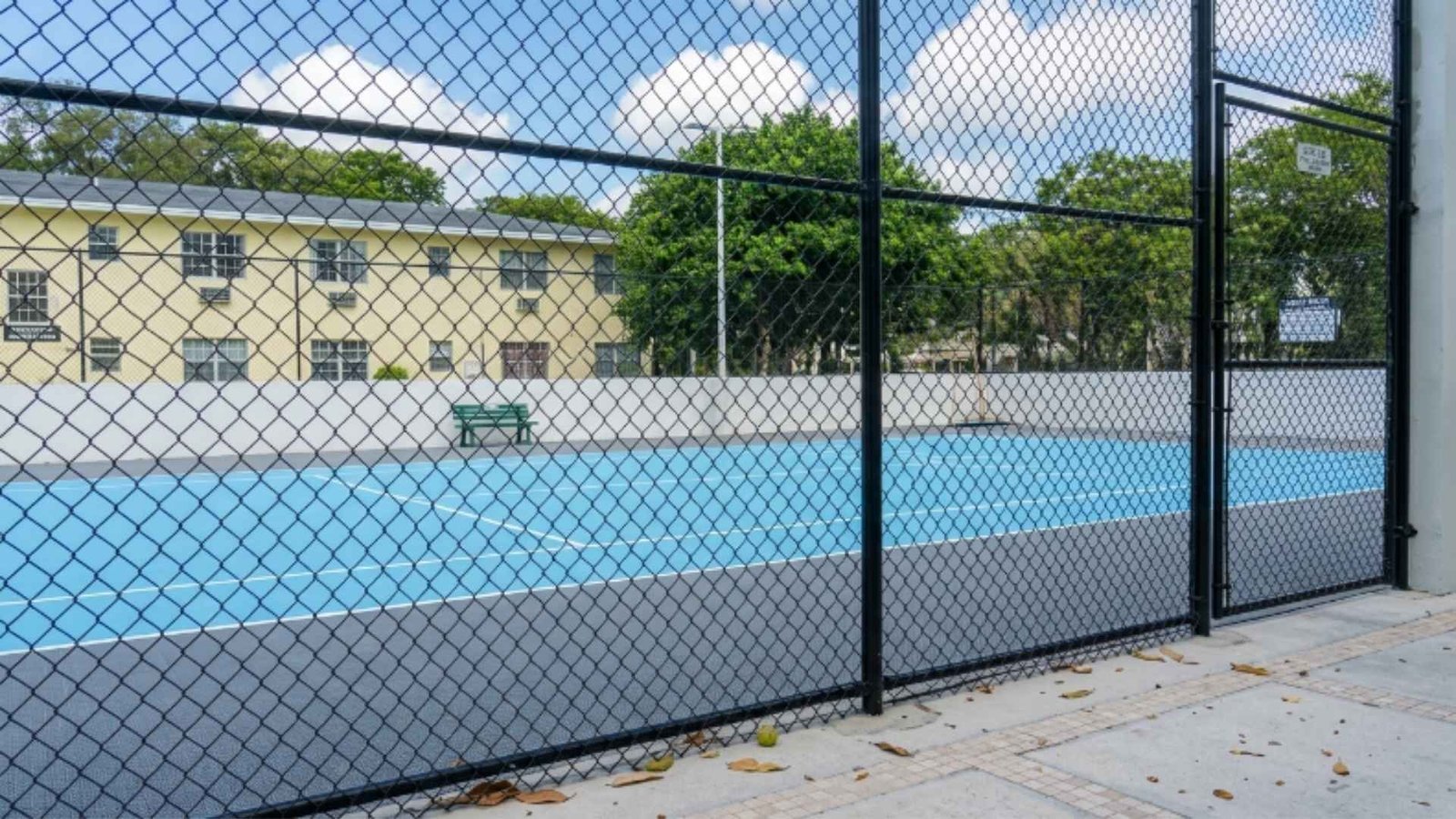

If you are investing in a fence in South Florida, one of the smartest questions to ask is not just what it costs today, but how long it will actually last. In Miami, fence lifespan depends heavily on salt air, humidity, coating quality, installation method, drainage, and ongoing maintenance. That is why many property owners searching for metal fence durability Miami climate want more than a generic answer.
The truth is that steel, aluminum, and wrought iron can all last for many years in Florida, but they do not age the same way. Aluminum has a natural corrosion-resistance advantage because it does not rust like carbon steel. Steel can last a very long time when it is properly galvanized and protected, but coastal exposure makes coating quality especially important. Wrought iron can last decades or longer, but only with consistent maintenance because rust is its biggest long-term threat.
At Welding Master Miami, we help homeowners, business owners, contractors, and property managers choose fence materials that make sense for Miami and surrounding areas. We have been serving South Florida since 2004, and with 24/7 mobile welding available, we regularly repair and reinforce metal fences exposed to real coastal wear, not ideal lab conditions.
What Determines the Lifespan of a Metal Fence in Miami?
Fence lifespan in South Florida is not controlled by material alone. In practice, the biggest factors are:
- Material type
- Coating or finish quality
- Distance from the coast
- Drainage and moisture exposure
- Installation method
- Weld quality and fabrication detail
- Maintenance frequency
This matters because Miami’s climate is hard on exterior metal. Coastal guidance from the American Galvanizers Association notes that performance changes significantly depending on marine splash, salty winds, wetness, and ventilation. Miami-Dade corrosion guidance also emphasizes that corrosive attack is often localized and strongly tied to service conditions.
How Long Can a Steel Fence Last in Florida?
Steel is one of the strongest and most versatile fencing materials, but in Florida it needs protection. Bare or poorly coated steel can deteriorate much faster in humid, salt-heavy environments. By contrast, hot-dip galvanized steel can last for decades before first maintenance, depending on coating thickness and exposure conditions. The American Galvanizers Association’s environmental performance guidance shows that galvanized steel service life varies widely by environment, with much shorter life in harsher marine exposure and much longer life in milder conditions.
In practical Miami terms:
- Painted steel with average upkeep: often good lifespan, but depends heavily on coating breakdown and rust response
- Galvanized steel: usually the more durable long-term choice
- Galvanized + topcoat system: often the best option for tougher coastal exposure
What shortens steel fence life?
- Scratched or thin coatings
- Poor weld finishing
- Water-trap design
- Direct coastal exposure
- Delayed rust repair
What extends steel fence life?
- Hot-dip galvanizing
- Quality primers and topcoats
- Good drainage and ventilation
- Routine inspection and touch-up
How Long Can an Aluminum Fence Last in Miami?
Aluminum is often one of the safest long-term choices for Miami because it does not rust like steel. Instead, it forms an oxide layer that helps protect the surface. That makes it especially attractive for coastal and high-humidity environments. Aluminum still corrodes under certain conditions, but in outdoor fence applications it is generally lower-maintenance than carbon steel or wrought iron.
For many South Florida properties, aluminum fencing can deliver a very long service life when:
- The finish is high quality
- Fasteners and hardware are compatible
- The installation avoids trapped moisture
- The fence is cleaned and inspected periodically
Miami-Dade’s standard open aluminum fence guidance also reflects how common aluminum fencing is in the local building environment.
Why aluminum performs well in Florida
- Strong corrosion resistance
- Lower maintenance burden
- Lighter weight
- Good fit for coastal properties
- Popular for residential and pool fencing
What still matters with aluminum
- Powder-coat or finish quality
- Proper installation
- Avoiding galvanic issues with dissimilar metals
- Cleaning off salt and residue
How Long Can a Wrought Iron Fence Last?
Wrought iron can last a very long time, even generations, but only if it is maintained. The reason is simple: wrought iron is highly vulnerable to rust if coatings fail. Recent Angi guidance notes that a high-quality wrought iron fence can last a lifetime or even centuries, but it also stresses that regular maintenance is essential because the material is susceptible to corrosion and rust. Angi specifically recommends routine cleaning and repainting to preserve wrought iron performance.
In Miami, that means a wrought iron fence can be a beautiful long-term investment, but it is usually not the lowest-maintenance option.
Wrought iron lasts longer when:
- Rust is removed early
- Paint systems are maintained
- Cracks and failed welds are repaired quickly
- Decorative joints are inspected regularly
Wrought iron fails faster when:
- Paint peels and is ignored
- Rust is allowed to spread at the base
- Coastal exposure is intense
- Maintenance is inconsistent
Coating Quality: One of the Biggest Lifespan Factors
A metal fence often fails through the coating before it fails through the metal itself. That is why coating quality is one of the most important variables in Miami.
For steel and wrought iron, protective systems may include:
- Primer and paint
- Powder coating
- Hot-dip galvanizing
- Galvanized plus paint or other duplex systems
AGA guidance consistently shows that galvanized coatings dramatically improve corrosion performance relative to bare steel, and coastal articles note that additional barrier protection can help in more aggressive marine environments.
For aluminum, finish systems still matter because they affect appearance, scratch resistance, and long-term surface performance even though the base material is more corrosion-resistant.
Installation Technique Also Affects Durability
A well-made fence can still age poorly if it is installed incorrectly. In South Florida, installation details matter because water, salt, and movement exploit weak points quickly.
Important installation factors include:
- Posts set correctly and protected at vulnerable points
- Good site drainage
- No design features that trap water
- Quality welds and smooth finishing
- Proper separation of incompatible metals
- Secure anchoring for wind exposure
This is especially relevant in Miami-Dade, where products and fence systems are often reviewed against local standards and approved-use conditions.
Maintenance: The Difference Between Good Lifespan and Early Failure
Even the best fence material benefits from maintenance. General fence maintenance guidance recommends regular inspection because early detection prevents small problems from becoming expensive repairs. Reliance guidance also recommends routine inspection and cleaning every six months for outdoor metal products in many environments.
For metal fences in Miami, a smart maintenance routine includes:
- Inspecting for chips, scratches, and rust
- Washing away salt and grime
- Checking welds and hardware
- Touching up damaged coating
- Repairing localized corrosion early
Best maintenance by material
Steel: inspect coating condition often and repair rust immediately
Aluminum: clean periodically and inspect finish/hardware
Wrought iron: clean, remove rust, and repaint as needed
Which Material Usually Lasts Longest in Miami?
There is no single answer for every project, but in practical terms:
Aluminum
Often the easiest choice for long-term corrosion resistance and lower maintenance in coastal residential applications.
Galvanized steel
Often the best choice when you need more strength and want long service life, especially if combined with a quality topcoat.
Wrought iron
Can last a very long time and offers classic aesthetics, but usually requires the most consistent maintenance in Miami’s climate.
Benefits of Choosing a Durable Fence Material in South Florida
Choosing the right material from the beginning can help you:
- Reduce long-term maintenance costs
- Minimize rust-related repairs
- Improve curb appeal for longer
- Get better value from installation
- Avoid premature replacement
- Protect the fence in coastal conditions
For many homes and commercial properties, the best value is not the cheapest material upfront. It is the one that performs best under real Miami exposure.
Why Choose Welding Master Miami
At Welding Master Miami, we do not recommend the same fence material for every property. We look at the location, exposure, design, and maintenance expectations before recommending steel, aluminum, or wrought iron.
Why customers choose us:
- Serving Miami since 2004
- 24/7 mobile welding available
- Residential and commercial welding experience
- Repairs and fabrication for gates, fences, railings, and metal structures
- Practical knowledge of corrosion, coatings, and coastal exposure
- Clear guidance on repair vs. replacement
Whether you need a new fence, reinforcement, or repair work on an older metal system, we help you choose durability, not guesswork.
FAQ
How long does a metal fence last in Florida?
It depends on the material, coating, maintenance, and exposure. Aluminum and galvanized steel can last for many years or decades in Florida, while wrought iron can also last a very long time if it is maintained consistently. Coastal salt exposure shortens lifespan when coatings fail.
Is aluminum or steel better for Miami fences?
Aluminum is often better for corrosion resistance and lower maintenance, especially near the coast. Steel is often better when you need more strength, but it should ideally be galvanized or otherwise well protected for long-term use in Miami.
Does wrought iron last in South Florida?
Yes, but it requires regular maintenance. A high-quality wrought iron fence can last a very long time, but it is vulnerable to rust if paint and protective finishes are not maintained.
What makes a steel fence last longer in Miami?
The biggest factors are hot-dip galvanizing, good coating quality, proper installation, drainage, and early maintenance. In marine environments, protective systems matter much more than with inland exposure.
How often should a metal fence be maintained?
A good rule is to inspect and clean it at least every six months, and more often in high-salt coastal conditions. Small coating failures should be repaired early before corrosion spreads.
What is the most durable fence finish for Florida?
For steel, galvanized systems are among the most durable, especially when paired with a protective topcoat in aggressive coastal areas. For aluminum, a high-quality finish and proper installation help maximize appearance and longevity.
Build a Fence That Lasts in Miami
If you are planning a new fence or deciding whether to repair or replace an existing one, durability should be one of the first things you evaluate. In Miami’s climate, the right material, coating, and installation method can make a major difference in how long your investment lasts.
Welding Master Miami helps homeowners, businesses, contractors, and property managers choose and install fencing solutions built for real South Florida conditions.
Install a Durable Fence — Get a Quote Now: https://weldingmastermiami.co/en/contact/