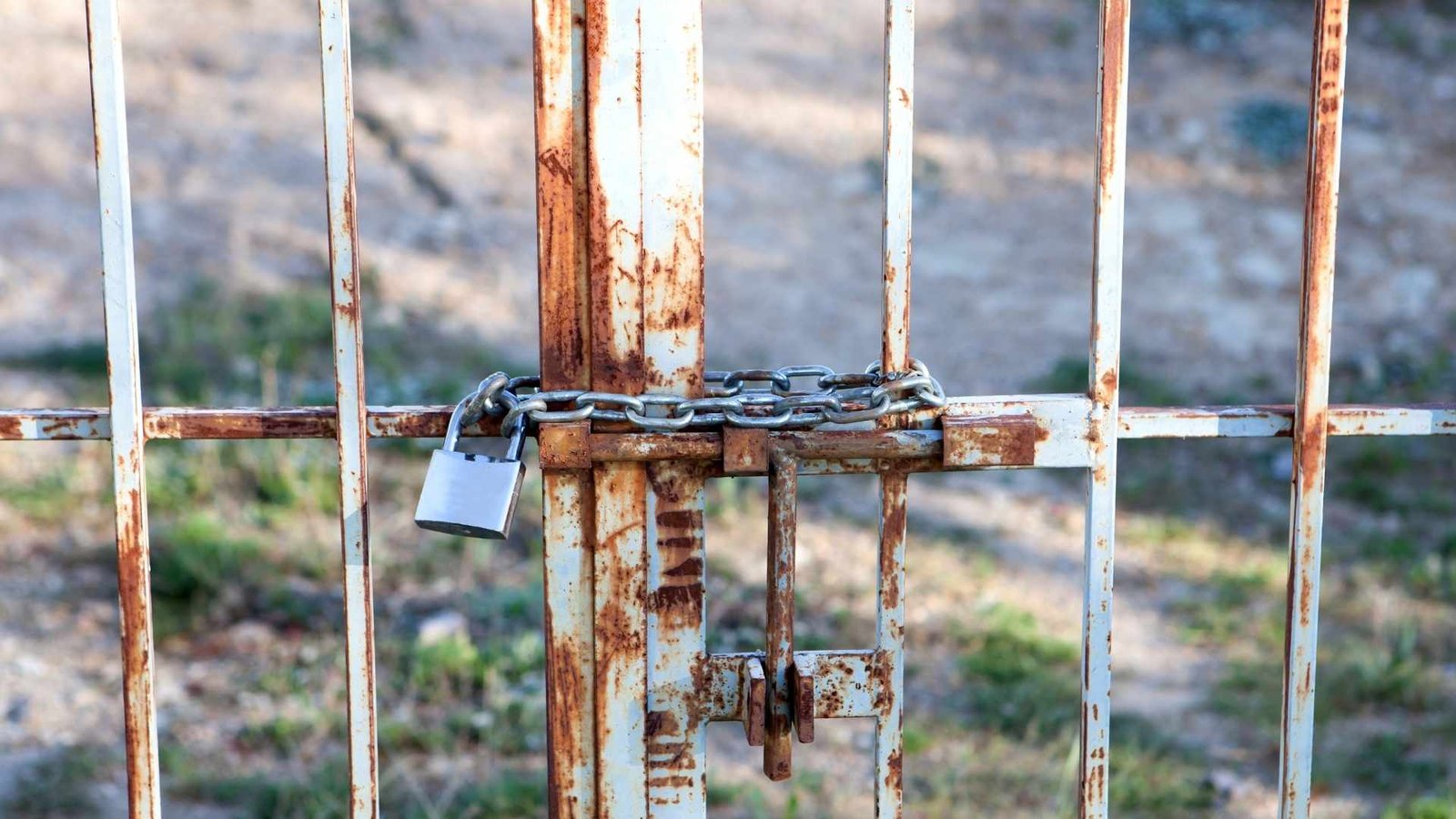

If you own a metal gate, fence, railing, stair system, roof structure, or exterior frame in South Florida, corrosion is not a distant problem. In Miami, rust can start faster than many property owners expect because metal is constantly exposed to humidity, salt air, rain, and heat. That is why metal rust prevention is one of the most important parts of protecting any residential or commercial metal structure.
Miami’s coastal environment is especially hard on steel and other metals. Miami-Dade’s own corrosion-protection guidance notes that corrosive attack is often localized and depends heavily on exposure conditions, while the American Galvanizers Association explains that coastal performance varies with distance from shore, moisture, chloride deposition, and how long metal stays wet.
At Welding Master Miami, we have been helping clients protect metalwork since 2004 across Miami and surrounding areas, with 24/7 mobile welding available for urgent repairs, reinforcement, and on-site service. This guide explains how to slow corrosion, extend metal life, and choose the right protection system step by step.
Why Rust Happens So Fast in Miami
Rust and corrosion develop faster in Miami because several damaging conditions overlap at the same time:
- Salt in the air
- High humidity
- Frequent rain
- Strong UV exposure
- Warm temperatures
- Outdoor condensation and long wet periods
For carbon steel, moisture and chlorides are especially aggressive. In coastal climates, galvanized steel is often specified because it adds sacrificial protection, but even galvanized systems need special consideration near shorelines and in harsh splash or high-salt zones.
That means prevention is always cheaper than waiting for visible rust to spread.
Step 1: Inspect the Metal Regularly
The first step in preventing rust is simple: check the metal before damage becomes structural.
Look for:
- Bubbling paint
- Orange or brown staining
- White oxidation on galvanized surfaces
- Cracks at welds
- Water-trap areas
- Loose fasteners
- Surface pitting
- Peeling coating near joints or edges
In Miami, corrosion often starts in corners, welds, low points, fastener areas, and spots where water sits. Miami-Dade’s corrosion guide emphasizes that localized attack is common and that service conditions matter.
For exterior metalwork, a basic inspection every few months is a smart habit, especially after storms or long wet periods.
Step 2: Clean Salt, Dirt, and Moisture-Building Residue
One of the most practical things you can do is keep the metal clean. Salt deposits, grime, and standing moisture accelerate coating failure and corrosion.
Basic cleaning steps:
- Rinse exposed exterior metal periodically
- Remove salt residue, dirt, and debris
- Keep drainage paths clear
- Dry low spots or water-trap areas when possible
- Clean around welds, bolts, and seams
This matters even more for gates, fences, railings, and metal stairs near the coast or on properties exposed to wind-driven salt air. Stainless steel industry guidance also notes that chlorides are a major factor in pitting and crevice corrosion, especially where contaminants remain on the surface.
Step 3: Repair Coating Damage Early
If paint, primer, galvanizing, or protective coating gets damaged, rust prevention becomes much harder. Small chips and scratches are often where larger corrosion problems begin.
Common warning signs include:
- Scratches exposing bare metal
- Chipped edges
- Coating delamination
- Rust bleeding from seams
- Damage around welded repairs
Once the barrier is broken, moisture and chlorides can attack the metal underneath. Fast touch-ups are usually much less expensive than major surface restoration later.
Step 4: Use the Right Protective Coating System
Not all coatings perform the same in Miami. For many steel structures, the coating system is one of the biggest factors in service life.
Common protection options include:
- Primer and paint systems
- Industrial epoxy coatings
- Polyurethane topcoats
- Zinc-rich primers
- Hot-dip galvanizing
- Duplex systems, which combine galvanizing with paint or another topcoat
For coastal exposure, duplex systems can be especially useful because the paint acts as a barrier and the galvanized layer adds backup corrosion protection if the outer coating is damaged. The American Galvanizers Association specifically notes that in seawater splash zones, an epoxy or paint system over galvanizing can be a good option because the barrier layer protects the zinc, and the galvanizing continues to protect the steel when the coating is breached.
In practical terms:
- Painted steel can work well with proper prep and maintenance
- Galvanized steel usually offers stronger corrosion protection than bare painted steel alone
- Galvanized-plus-coating systems are often better for tougher coastal exposure
Step 5: Consider Hot-Dip Galvanizing for Steel
If you are fabricating or replacing steel components, galvanizing is one of the best long-term rust-prevention options to consider.
Hot-dip galvanizing protects steel by coating it in zinc, which corrodes much more slowly than bare steel and also provides sacrificial protection. The American Galvanizers Association says galvanized steel generally corrodes at about 1/30 the rate of bare steel in the same environment, though actual performance varies by exposure.
Why galvanizing is useful in Miami:
- Strong protection for exterior steel
- Better defense against scratches than paint alone
- Good fit for gates, fences, stairs, structural supports, and exterior frames
- Lower maintenance over time in many applications
That said, galvanized steel still needs the right design and environment-specific planning. Coastal conditions near shorelines and splash areas are harsher than general inland exposure.
Step 6: Choose Stainless Steel Carefully
Some property owners assume stainless steel means “no corrosion.” That is not always true in Miami.
Stainless steel resists corrosion because of its passive protective layer, but stainless can still suffer pitting and crevice corrosion when exposed to chloride-rich environments, especially if the wrong grade is used or contaminants remain trapped in joints and crevices. The Stainless Steel Information Center explains that chlorides commonly trigger localized corrosion in stainless steels, and the Nickel Institute notes that stainless performance depends heavily on the environment and alloy selection.
Stainless steel can be a strong option when:
- Appearance matters
- You want a premium finish
- The correct grade is chosen for the environment
- The design avoids moisture traps
- Regular cleaning is part of the maintenance plan
For Miami projects, stainless is often a smart alternative for railings, decorative metalwork, and select architectural features, but it still needs informed material selection.
Step 7: Improve Design Details That Trap Water
Good corrosion prevention is not only about coatings. It is also about design.
Rust tends to develop faster where water and debris collect, so a more durable metal structure should reduce:
- Hidden crevices
- Poor drainage points
- Horizontal surfaces that hold water
- Tight overlaps that trap moisture
- Unsealed weld areas
- Contact between incompatible metals
This matters for metal gates, fences, railings, structures, and exterior stairs. A better design can extend the life of the coating and the metal underneath.
Step 8: Address Rust Immediately When It Appears
Once rust is visible, do not wait. Early-stage corrosion is often repairable. Advanced corrosion is more expensive and may require section replacement or full fabrication.
A typical rust-repair process may include:
- Surface assessment
- Mechanical cleaning or grinding
- Removal of loose rust and failed coating
- Repair of damaged welds or weak areas
- Primer or zinc-rich treatment
- New finish coating
The goal is not just to hide the rust, but to stop the corrosion cycle and restore protection.
Step 9: Plan Preventive Maintenance Instead of Waiting for Failure
One of the most cost-effective ways to protect metal in Miami is to treat maintenance as routine rather than reactive.
A simple maintenance plan may include:
- Visual inspection every few months
- Cleaning after storms or heavy salt exposure
- Touch-up of chips and scratches
- Checking welds and fasteners
- Recoating when the protective system begins to fail
This approach is especially useful for:
- Metal gates
- Fences
- Railings
- Pool barriers
- Stairs
- Roof structures
- Commercial access systems
Preventive maintenance is almost always cheaper than emergency replacement.
Benefits of Professional Rust Prevention in Miami
A professional maintenance and coating strategy can help you:
- Extend the life of metal structures
- Reduce major repair costs
- Improve appearance
- Lower long-term maintenance
- Protect structural integrity
- Slow corrosion in high-salt areas
In South Florida, that is not just cosmetic. It is a durability and safety issue.
Why Choose Welding Master Miami
At Welding Master Miami, we understand what coastal exposure does to metal because we see it every day in the field. We work with homeowners, contractors, businesses, and property managers across Miami and surrounding areas, helping protect and repair gates, fences, railings, metal stairs, and structural metalwork.
Why customers choose us:
- Serving Miami since 2004
- 24/7 mobile welding available
- Experience with residential and commercial welding
- Practical repair and reinforcement solutions
- Knowledge of coatings, galvanizing, and corrosion-prone areas
- Local understanding of salt-air and humidity exposure
Whether you need inspection, repair, reinforcement, or protective coating work, the goal is the same: stop corrosion early and protect the investment.
FAQ
Why does metal rust so fast in Miami?
Metal rusts faster in Miami because of humidity, rain, warm temperatures, and salt-laden air. Chlorides from coastal exposure accelerate corrosion, especially on unprotected steel or damaged coatings. Wet-dry cycles and trapped moisture also make the problem worse over time.
Is galvanized steel good for Miami?
Yes. Galvanized steel is commonly used for corrosion protection in coastal environments because the zinc coating helps protect the steel underneath. However, performance still depends on exposure level, distance from saltwater, and whether extra coating protection is needed in harsher splash-zone conditions.
Is stainless steel completely rust-proof near the coast?
No. Stainless steel is corrosion-resistant, but it is not immune to damage in chloride-rich environments like Miami. Pitting and crevice corrosion can still occur, especially if the wrong grade is used or salty residue remains on the surface.
What is the best coating for metal near the ocean?
The best coating depends on the metal and exposure level, but galvanized steel plus a paint or epoxy topcoat is often a strong option for coastal conditions. This type of layered protection can help extend service life when properly applied and maintained.
How often should I inspect exterior metal in Miami?
A good rule is to inspect exterior metal every few months and after major storms. Look closely at welds, edges, low points, seams, and chipped coating areas. Catching damage early makes it easier and less expensive to stop corrosion before it spreads.
Can rusted gates, railings, and fences be repaired?
Yes, many can. If the corrosion is still limited, a welding and coating professional can often clean the area, repair weak sections, and apply new protective treatment. If rust has deeply weakened the structure, partial replacement or rebuilding may be the better option.
Protect Your Metal Before Corrosion Gets Worse
If your metal gate, fence, railing, stair system, or exterior structure is exposed to Miami’s salt air and humidity, waiting usually makes the damage more expensive. Early maintenance, smart coating choices, and timely repairs can extend the life of your metalwork and reduce future replacement costs.
Welding Master Miami provides practical corrosion protection, repair, and reinforcement solutions for residential and commercial properties across Miami and surrounding areas.
Schedule a Maintenance and Coating Service: https://weldingmastermiami.co/en/contact/