


If you are comparing welding options for a gate, railing, fence, stair system, or custom fabrication job, one of the most common questions is whether MIG or TIG welding is the right fit. For most customers, the answer depends on the material, the finish quality you want, the size of the job, and whether the project is more about speed and strength or about precision and appearance. In general, MIG welding is often the better choice for faster production and many structural or general-fabrication jobs, while TIG welding is usually preferred for cleaner, more precise work on aluminum, stainless steel, and detail-sensitive projects. Lincoln Electric and Miller both describe TIG as a precision-focused process well suited to steel, aluminum, and stainless, while MIG is widely used for fabrication, repair, and general metalworking.
At Welding Master Miami, we help homeowners, business owners, contractors, and property managers choose the right process for real jobs in Miami and surrounding areas. We have been serving South Florida since 2004, and our 24/7 mobile welding service means we often make these decisions in the field, where material type, corrosion exposure, and turnaround time matter just as much as weld quality. In Miami’s coastal environment, that decision is especially important for aluminum, stainless steel, and exterior steel projects exposed to humidity and salt air.
What MIG and TIG Welding Actually Mean
MIG stands for Gas Metal Arc Welding, often used as a faster wire-feed process for production, repair, and fabrication work. TIG stands for Gas Tungsten Arc Welding, a process known for greater operator control and cleaner, more refined welds. AWS identifies both as established welding processes within its standards framework, and leading welding manufacturers consistently separate them by speed, control, and typical application.
For a customer, the technical names matter less than the practical difference:
- MIG is often better when the project needs efficiency, productivity, and solid weld performance on common fabrication work.
- TIG is often better when the project needs cleaner appearance, tighter control, and higher precision.
That does not mean one process is “good” and the other is “bad.” It means each one is better suited to different kinds of Miami welding projects.
When MIG Welding Makes More Sense in Miami
For many jobs, MIG is the practical choice because it is efficient and productive. Miller’s MIG resources center MIG around broad fabrication use, while Lincoln positions MIG equipment heavily for steel, stainless, aluminum, sheet metal, and general repair and fabrication work.
In Miami, MIG is often the right choice for:
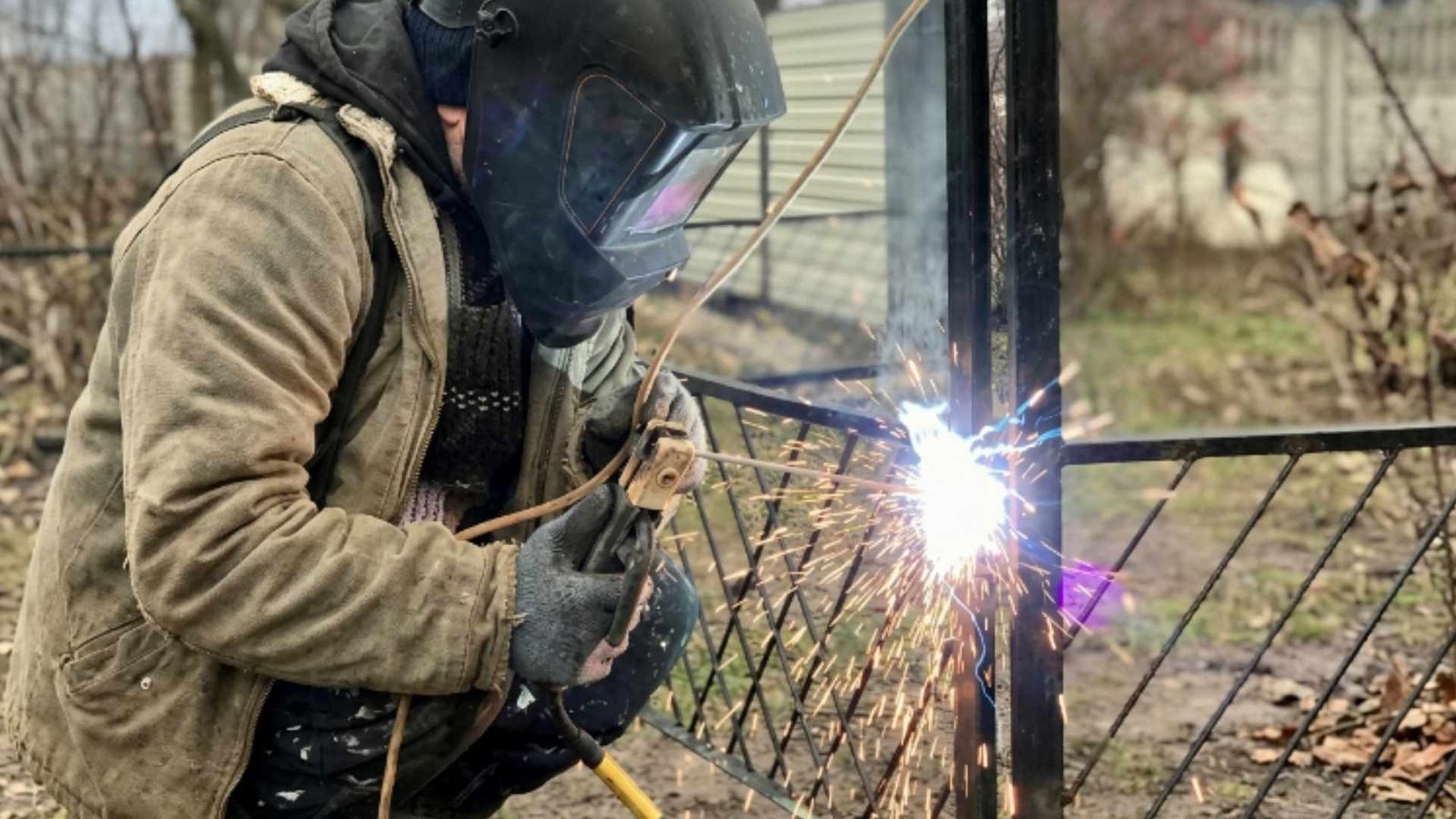
- Metal gates
- Fence sections
- General steel fabrication
- Structural repairs
- Heavy-duty brackets and supports
- Larger production-style jobs
- Many residential and commercial welding repairs
That is why MIG is commonly associated with large structural jobs, general fabrication, and field repairs where productivity matters. For many steel projects, especially when appearance is not the only priority, MIG offers a strong balance of speed and performance.
When TIG Welding Is the Better Option
TIG welding is usually chosen when the work needs more control, a cleaner finish, or greater precision. Lincoln specifically describes TIG as providing precision welds for steel, aluminum, and stainless, and Miller’s TIG guides are centered on operator control, settings, and higher-quality finish work.
In Miami, TIG is often the better choice for:
- Precision aluminum work
- Stainless steel fabrication
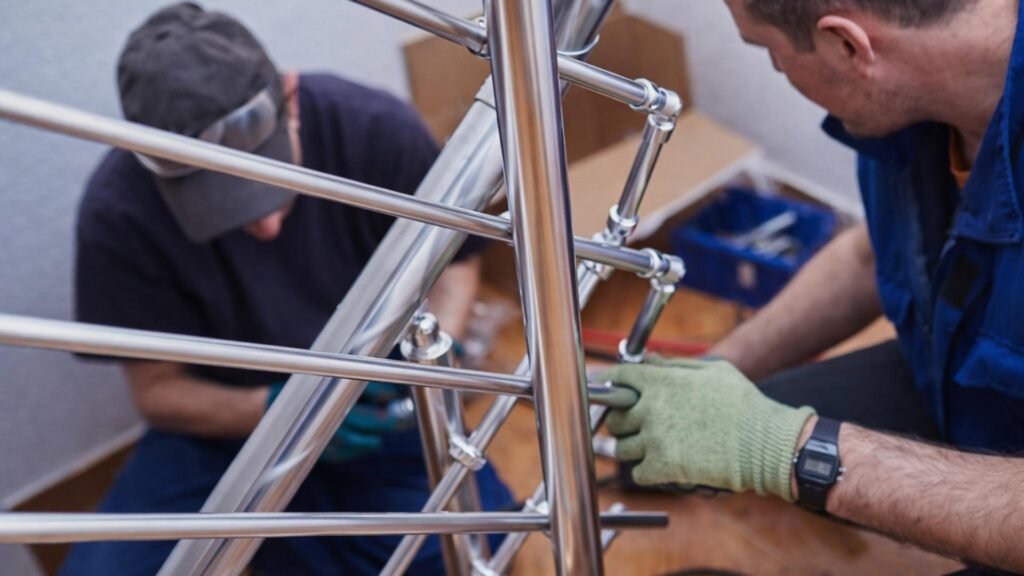
- Decorative railings
- Clean visible welds
- Detail-focused custom metalwork
- Thin material where control matters
- Higher-end residential or commercial finishes
That is why TIG is often associated with precision aluminum and stainless steel work. When appearance matters, when heat input must be controlled more carefully, or when the customer wants a cleaner, more refined result, TIG usually has the advantage.
MIG vs. TIG for Aluminum in Miami
Aluminum is one of the most important materials to think about in South Florida because it is popular for gates, railings, and coastal applications. Both MIG and TIG can be used on aluminum, but they are not chosen for the same reasons. Miller’s aluminum resources and Lincoln’s aluminum TIG guidance both emphasize that aluminum welding demands special technique and process control.
In practical terms:
- MIG aluminum welding is often chosen when speed and productivity matter more, especially on larger fabrication runs.
- TIG aluminum welding is often chosen when precision, appearance, and weld control matter more.
So if the project is a larger aluminum fabrication job, MIG may be more efficient. If the project involves refined custom aluminum details, visible welds, or tighter fit-and-finish expectations, TIG is often the better process.
MIG vs. TIG for Stainless Steel
Stainless steel is another material where process choice matters a lot, especially for decorative, architectural, or corrosion-conscious work in Miami. Miller notes specific filler and gas considerations for stainless work, which reflects how process selection and setup directly affect quality.
For stainless steel projects:
- MIG can work well for faster fabrication and production-style welding.
- TIG is usually preferred for cleaner, more appearance-sensitive stainless welds.
That is why TIG is so often used for stainless handrails, decorative metalwork, and visible custom fabrication where the finish is part of the value of the project.
Which Process Is Better for Structural Steel?
For many structural and heavier general-fabrication jobs, MIG is often the more practical process. It is widely used in production and repair environments where productivity, deposition rate, and efficiency matter. Lincoln’s MIG positioning for fabrication and repair reflects why it is so commonly chosen for steel work.
This is why customers often hear that:
- TIG is not usually the first choice for large, everyday structural production work.
- MIG is often the better fit for larger steel components, supports, gates, frames, and repair-heavy fabrication jobs.
That does not mean TIG cannot be used on steel. It can. But for many practical steel jobs in Miami, MIG is usually the more efficient answer.
What Matters Most in Miami’s Coastal Climate
Miami changes the equation because material choice and finish quality are tied to corrosion performance. Aluminum and stainless steel often come up more often in coastal discussions because of corrosion resistance, and TIG is frequently favored when those materials are part of a cleaner, more precision-oriented project. Steel remains extremely common, but it often needs the right protection system and repair strategy outdoors.
For Miami projects, process choice often depends on questions like these:
- Is the project steel, aluminum, or stainless?
- Is the weld highly visible?
- Does the job need speed or finish quality?
- Is it a repair, a new fabrication, or a decorative custom piece?
- Is this a residential or commercial welding application?
- Will the metal be exposed to outdoor coastal conditions?
A gate reinforcement repair and a custom stainless railing do not need the same welding approach, even if both are technically weldable.
Common Miami Examples: Which One Fits Better?
Here is a simple way to think about it.
MIG is often the better fit for:
- Steel gate repairs
- Fence welding
- Heavy brackets and supports
- Many structural steel repairs
- General residential and commercial welding
- Larger jobs where efficiency matters
TIG is often the better fit for:
- Custom aluminum components
- Stainless steel railings
- Decorative metalwork
- Clean visible welds
- Precision fabrication
- Premium finish projects
This is not an absolute rule, but it is a useful guide for the kinds of work Miami customers ask about most often.
Benefits of Choosing the Right Welding Process
Choosing the right process from the start helps improve:
- Weld quality
- Project efficiency
- Material compatibility
- Appearance
- Long-term durability
- Cost control
It also helps prevent mismatched expectations. A customer who wants a refined stainless finish may not be happy with a process chosen only for speed. A customer who needs a fast structural steel repair may not benefit from a slower, higher-detail process when productivity is the real priority.
Why Choose Welding Master Miami
At Welding Master Miami, we do not force every project into the same process. We choose the process that fits the material, job conditions, finish expectations, and performance needs of the project.
Why customers work with us:
- Serving Miami since 2004
- 24/7 mobile welding available
- Experience with residential and commercial welding
- Work on gates, fences, railings, stairs, and structural metal
- Practical knowledge of aluminum, stainless steel, and steel applications
- Local understanding of Miami’s coastal exposure and service conditions
Whether the project needs speed, precision, repair work, or custom fabrication, the best result starts with choosing the right welding method for the job.
FAQ
What is the main difference between MIG and TIG welding?
MIG is generally faster and more production-oriented, while TIG offers more control and precision. MIG is often used for general fabrication and repair, and TIG is often chosen for cleaner, more refined welds on materials like aluminum and stainless steel.
Is MIG or TIG better for aluminum?
Both can be used, but they are often chosen for different reasons. MIG is commonly preferred for faster aluminum welding on larger jobs, while TIG is usually preferred for more precise, appearance-sensitive aluminum work.
Is TIG better for stainless steel?
For many visible or precision stainless projects, yes. TIG is often preferred because it offers more control and a cleaner-looking weld. MIG can still work well for stainless fabrication when speed and productivity are more important than finish appearance.
Which process is better for structural jobs in Miami?
For many structural steel and general fabrication jobs, MIG is often the better fit because it is more efficient for larger-scale work and repair applications. TIG is typically used more for precision work than for large everyday structural production.
Is TIG more expensive than MIG?
It often can be, especially when the job requires slower, more detailed work. TIG is typically more precision-focused, so labor time may be higher. The real cost depends on the material, finish requirements, and how much control the project needs.
How do I know which welding process my project needs?
The best choice depends on the metal, the size of the project, the desired finish, and whether the priority is speed or precision. A steel repair may be ideal for MIG, while an aluminum or stainless custom piece may be better suited to TIG.
Choose the Right Process Before the Work Starts
If your project involves aluminum, stainless steel, structural steel, gates, railings, fences, or custom metal fabrication, choosing between MIG and TIG is not just a technical detail. It affects the speed, appearance, durability, and value of the finished work.
Welding Master Miami helps homeowners, businesses, contractors, and property managers choose the right solution for real-world projects across Miami and surrounding areas.
Not Sure Which One You Need? Ask Our Experts: https://weldingmastermiami.co/en/contact/